How Dental Bonding Can Transform Your Smile in One Visit
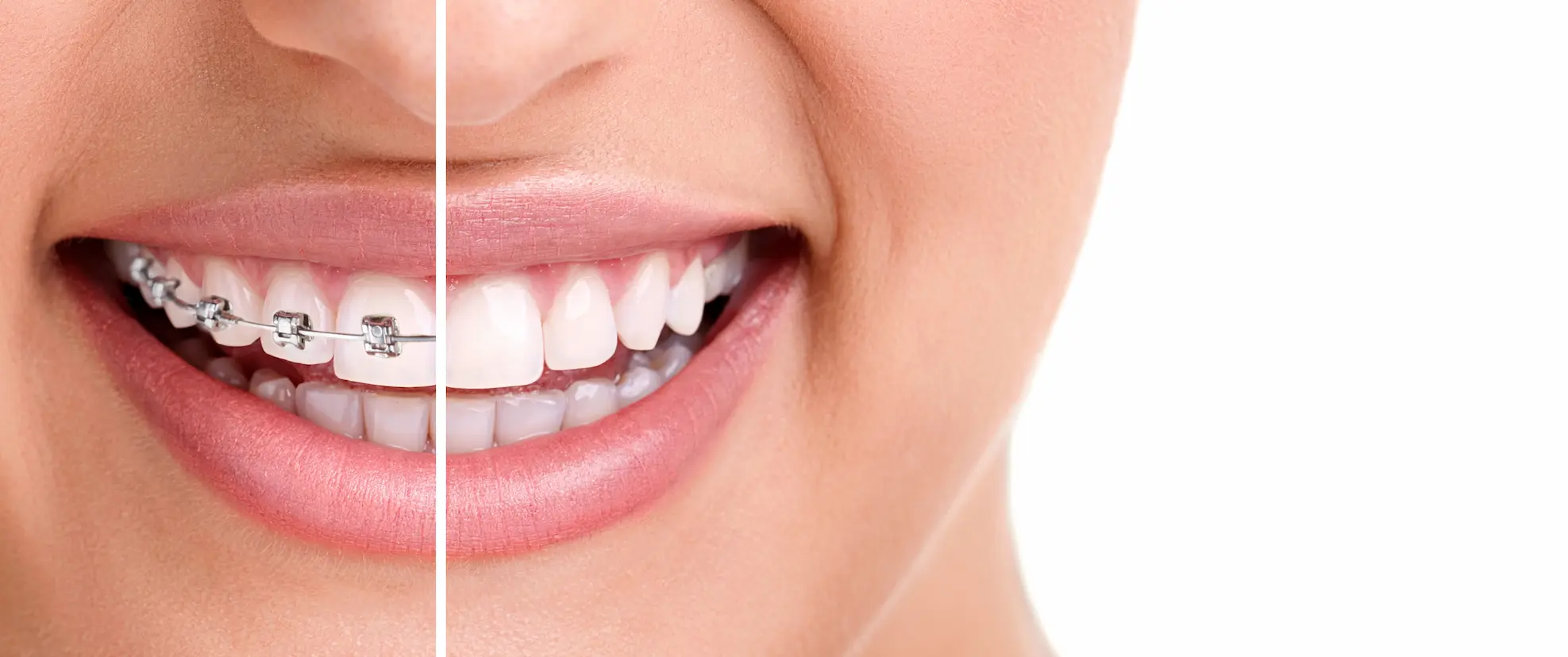
A great deal of cosmetic dentistry asks patients for patience. Whitening may take a few sessions to reach its best result. Veneers usually involve planning, preparation, impressions, and a return visit. Orthodontics can stretch over months or years. Dental Bonding sits in a very different category. In the right case, it can change the look of a tooth, or several teeth, in a single appointment, often with little or no drilling and no dramatic recovery afterward.
That speed is part of its appeal, but it is not the whole story. What makes bonding so useful is its flexibility. A skilled dentist can reshape a https://anotepad.com/notes/nadah4h8 chipped edge, close a small gap, soften an uneven contour, cover a localized stain, or make a short tooth look more balanced, all by sculpting tooth-colored resin directly onto the enamel. The result can be subtle enough that other people notice only that your smile looks fresher, cleaner, or more even, without being able to say exactly why.
Patients are often surprised by how conservative the process is. They expect cosmetic treatment to be aggressive, expensive, or irreversible. Bonding can be none of those things. In many cases, it preserves nearly all of the natural tooth structure. That matters more than people realize. Once healthy enamel is removed, it does not grow back. Treatments that respect natural tooth structure tend to leave more options open for the future.
Still, bonding is not a magic fix for every cosmetic concern. It is one of those treatments that shines when used with judgment. In the right hands and for the right problem, it can be one of the most satisfying procedures in dentistry. Used where it does not belong, it can disappoint. The real value lies in knowing where the line is.
What dental bonding actually is
Dental Bonding uses a composite resin, a durable tooth-colored material that is applied in layers and hardened with a curing light. That material is similar to what many dentists use for white fillings, but in cosmetic bonding the goal goes beyond repairing decay. Here, the dentist is thinking like both a clinician and an artist. Shape, translucency, line angles, texture, and polish all matter.
Natural teeth are not flat white blocks. They have subtle curves, tiny ridges, areas that catch light differently, and edges that may be slightly translucent. Good bonding respects those details. It is not simply a matter of putting material on a tooth and smoothing it over. The best work blends into the smile so naturally that even a close friend may not spot which tooth was treated.
In practice, the appointment often begins with a discussion of goals. Some patients come in saying, “I hate this chipped front tooth,” and the plan is straightforward. Others point broadly at their whole smile and say they want it to look better. That requires a more careful conversation. Bonding can do a lot, but the dentist has to identify what will make the biggest visible difference. Sometimes the answer is one central incisor with an irregular edge. Sometimes it is a lateral incisor that looks undersized. Sometimes it is a canine that is slightly rotated and catches the eye because of the way it reflects light.
Why one visit can be enough
The phrase “one visit” sounds almost too convenient, yet it is often accurate. Bonding is done directly on the tooth, which means the dentist does not need to send impressions to a lab or wait for a custom restoration to be fabricated. After selecting the shade and preparing the tooth surface, the resin is placed, shaped, cured, refined, and polished in the chair.
For simple cosmetic changes, the timeline can be remarkably efficient. A minor chip repair may take less than an hour. More detailed reshaping across several front teeth may take longer, especially when symmetry matters and the dentist is building each contour by hand. Even then, it is still usually completed in one appointment.
That immediacy has an emotional impact. People who have hidden a chipped tooth in photos for years can walk out seeing a different smile in the mirror that same afternoon. Brides and grooms sometimes schedule bonding shortly before a wedding. Job seekers do it before interviews. Adults who finally decide to address an old sports injury often wonder why they waited so long.
One memorable pattern in cosmetic practice is how often patients ask for a “small fix” and end up feeling a much larger shift in confidence. A tiny edge fracture on a front tooth may seem minor clinically, but because it sits in the center of the smile, the patient sees it every day. Restoring that tooth can change how they speak, laugh, and pose in photos. The procedure itself may be short. The effect can feel outsized.
The kinds of smile changes bonding handles especially well
Bonding is at its best when the tooth is healthy and the cosmetic concern is localized or moderate. It is particularly effective for front teeth because those are the teeth where shape and symmetry carry so much visual weight.
Dentists often recommend bonding for small chips, worn edges, minor gaps between teeth, teeth that look too short or slightly misshapen, and isolated discoloration that whitening will not correct. It can also help with old dental work that no longer matches the surrounding enamel. If a patient has one front tooth with a dark filling placed years ago, replacing it with well-matched composite can refresh the smile immediately.
Closing a small gap is one of bonding’s most satisfying uses. Some gaps are part of a person’s character and they want to keep them. Others create a look the patient has never liked. When the space is narrow and the bite allows it, bonding can add width to one or both teeth in a way that looks entirely natural. The key is proportion. If too much material is added without respecting tooth anatomy, the teeth can end up looking broad or blocky. When done properly, the eye reads harmony rather than added material.
Bonding can also solve asymmetry that is subtle but distracting. A patient may have one lateral incisor that never fully developed, often called a peg lateral. This is a classic case where bonding can be transformative. The undersized tooth can be built out to match the neighboring tooth, restoring balance without a crown or veneer in many situations.
There are limits, though. If a tooth is severely broken, structurally weak, heavily filled, or badly misaligned, bonding may not be the best long-term answer. Likewise, deep intrinsic discoloration, especially when it affects multiple teeth, may be better treated with veneers, crowns, or a more comprehensive plan.
What the appointment feels like
For many people, one of the biggest surprises is how gentle the process can be. If bonding is purely additive, meaning the dentist is placing material without removing much tooth structure, anesthesia may not even be necessary. That depends on the location and whether any contouring is required, but many appointments are far more comfortable than patients expect.
The tooth is cleaned and lightly prepared so the resin can adhere properly. A conditioning gel is used, then a bonding agent, then the composite resin is applied in increments. The dentist shapes it carefully, often checking from multiple angles, asking the patient to sit up, evaluating the smile in motion, and refining the edge until it looks right. Once cured, the material is polished to mimic the sheen of enamel.
A polished finish matters enormously. A front tooth can be perfectly shaped and still look “done” if the surface texture or luster is off. Skilled polishing gives the restoration life. That is often what separates serviceable bonding from truly elegant cosmetic work.
Patients should expect some fine-tuning of the bite as well. Even a tiny addition to a front tooth can affect how upper and lower teeth meet. If the bonded area hits too heavily, it is more likely to chip. Careful adjustment reduces that risk and helps the result feel natural quickly.
Where bonding outperforms more expensive options
There is a tendency to assume that a higher price tag always means a better cosmetic result. In dentistry, that is not necessarily true. The best treatment is the one that fits the tooth, the patient, and the long-term plan.
Bonding can outperform veneers or crowns when the issue is small and the tooth is otherwise healthy. If a patient has a clean, strong front tooth with a little corner chipped off, covering the entire tooth with a veneer may be excessive. Bonding can repair the defect while preserving almost all natural enamel. It is faster, less invasive, and usually less expensive.
That conservative approach matters especially for younger adults. A patient in their twenties with minor cosmetic concerns may not need a restoration that commits them to a replacement cycle decades down the line. Bonding can improve the smile now while keeping future options open.
It also works well as a trial move. If a patient is thinking about changing the shape or length of several teeth but feels unsure, bonding can serve as a preview. They get to live with the new contours, see how they feel, and decide later whether they want to maintain them with bonding or move to porcelain. That sort of low-commitment experimentation is one of the treatment’s quiet strengths.
Where bonding has real limitations
Bonding is durable, but it is not indestructible. Composite resin is more prone to staining and wear than porcelain. It can chip, especially on incisal edges if a patient bites pens, opens packages with their teeth, chews ice, or grinds at night. It also may not hold its polish as long as ceramic restorations do.
This is where honest treatment planning matters. A patient with heavy clenching, significant bite issues, or a large break on a front tooth may love the immediate result from bonding, only to become frustrated if repairs are needed too often. In those cases, a more robust option may be better over time, even if it requires more upfront work.
Shade matching can be another challenge. Composite can be beautifully blended, but if the tooth is highly translucent or has complex color variation, reproducing that character perfectly requires both skill and time. Some cases are ideal for direct bonding. Others are better served by lab-made porcelain, where the ceramist can create more depth and nuance.
There is also the issue of scale. Bonding is excellent for small to moderate smile improvements. If someone wants a dramatic full-smile redesign with major changes to alignment, color, width, and length across many teeth, bonding may not be the most stable or efficient path. It can still play a role, but usually as part of a broader plan rather than the sole solution.
How long dental bonding lasts
Patients almost always ask this before they ask anything else, and fairly so. The most accurate answer is that longevity depends on the location, the size of the bonding, the patient’s bite, and their habits. Small cosmetic bonding on a well-positioned tooth may last several years and sometimes longer with minimal maintenance. Bonding on the edge of a front tooth in a patient who grinds can fail sooner.
A useful way to frame it is this: bonding is repairable, and that repairability is one of its advantages. If a porcelain veneer chips, the solution can be more involved. If a bonded edge chips slightly, it is often possible to smooth it or add a little more material without starting over completely.
Color stability varies too. Composite does not whiten the way natural teeth do, so if a patient plans to bleach their teeth, it usually makes sense to do that before bonding. Otherwise the bonded area may end up slightly darker than the newly whitened enamel. Coffee, tea, red wine, and tobacco can stain resin over time, particularly if the surface becomes roughened.
Most patients do well when they think of bonding as a high-value cosmetic treatment that may need periodic refreshing. That is not a flaw so much as a fair trade-off. You gain speed, conservation of tooth structure, and lower initial cost, while accepting that maintenance may be part of the deal.
The habits that protect a bonded smile
Aftercare is usually simple, but simple does not mean unimportant. Bonded teeth benefit from the same basic discipline that protects natural enamel, with a few extra cautions.
- Brush gently with a non-abrasive toothpaste and floss daily to keep the margins clean.
- Avoid biting hard objects such as ice, fingernails, pen caps, or food packaging.
- Limit stain-heavy habits, especially in the first couple of days if your dentist advises it.
- Wear a night guard if you clench or grind.
- Keep regular dental visits so small chips or rough spots can be polished before they worsen.
These routines sound ordinary because they are. The problem is that everyday habits are exactly what determine whether cosmetic work stays attractive. A patient who treats bonded edges like tools usually shortens their lifespan. A patient who treats them like teeth generally does very well.
Cost, value, and the question patients are really asking
When people ask whether bonding is “worth it,” they usually mean one of three things. Will it look natural? Will it last long enough to justify the fee? Will it spare me from more invasive treatment right now? Bonding often scores well on all three when the case selection is good.
Fees vary by region and by complexity. A tiny edge repair and a multi-tooth cosmetic recontouring are not remotely the same procedure, even though both fall under the umbrella of bonding. Time, artistry, and finishing matter. The cheapest quote is rarely the safest guide, especially on front teeth. This is one area where photographs of the dentist’s actual work can be more useful than a price comparison.
Value also depends on expectations. If a patient understands that bonding may require touch-ups over the years, they tend to be pleased. If they expect the permanence of porcelain for the price and invasiveness of a simple resin repair, disappointment is more likely. The dentist’s job is to set that expectation clearly, before any material goes on the tooth.
The skill factor matters more than many patients realize
Bonding has a lower barrier to entry than porcelain restorations because it does not require a laboratory and can be performed in a standard clinical setting. That does not mean every bonding case is equal. There is a substantial difference between simply filling a defect and shaping a front tooth that disappears into the smile.
Great cosmetic bonding requires an eye for symmetry, proportion, and light reflection. It also requires restraint. Many front teeth look artificial not because too little was done, but because too much was added. Overbuilt embrasures, flattened surfaces, and opaque material can make the result look heavy. Natural smiles have variation and subtlety. A talented clinician preserves that.
Patients looking into bonding should ask to see examples of work similar to their own case. A dentist may be excellent at posterior fillings and still not focus on cosmetic anterior contouring. There is nothing wrong with that, but front-tooth aesthetics are a specific skill set.
Bonding compared with veneers, whitening, and orthodontics
The most practical treatment plans often involve comparison rather than loyalty to one procedure. Bonding, veneers, whitening, and orthodontics all solve different problems, even though they may overlap in the cosmetic result.
| Treatment | Best for | Main trade-off | |---|---|---| | Dental Bonding | chips, small gaps, contour changes, localized stains | can stain and chip more easily than porcelain | | Whitening | generalized discoloration on natural teeth | does not change shape, spacing, or existing restorations | | Veneers | broader aesthetic changes with excellent longevity and polish | more costly, less conservative, usually not same-day | | Orthodontics | alignment and bite correction | takes time, does not change tooth color or shape directly |
A common mistake is using bonding to solve what is really an orthodontic problem. If a patient has teeth that are significantly crowded or rotated, adding resin may camouflage the issue but not truly correct it. Sometimes a few months of aligners followed by conservative bonding produces a cleaner, more stable result than bonding alone.
Likewise, whitening and bonding often complement each other. Whitening first, then matching the new brighter tooth shade with bonding, tends to produce the most harmonious outcome.
Who tends to be happiest with the result
The happiest bonding patients usually share two traits. Their cosmetic concern is well defined, and their expectations are realistic. They are not asking bonding to reinvent their face. They want to improve a feature that catches the eye for the wrong reason, and they appreciate a conservative fix.
That includes the person with a chipped central incisor after an old fall, the adult with a small gap they have always noticed, the patient whose lateral incisor is undersized, or the professional who wants their smile to look polished without committing to extensive treatment.
People who want dramatic, ultra-uniform “celebrity smile” changes may still choose bonding, but they need a careful conversation first. Composite can absolutely enhance a smile beautifully, yet its sweet spot is often natural refinement rather than total reinvention.
What to ask at a consultation
A useful bonding consultation is less about sales language and more about planning. You want to know whether the dentist thinks bonding is the best fit, not simply a possible fit. Ask how they would approach your specific tooth, whether any enamel needs to be removed, what maintenance they expect over time, and how your bite affects the prognosis.
It also helps to ask what the alternative would be if bonding were not chosen. A thoughtful answer reveals a lot. If the dentist says a chip could be repaired with bonding now but might eventually need a veneer if it becomes larger, that is a balanced explanation. If they suggest bonding for every cosmetic issue without discussing limits, that deserves caution.
When patients feel informed, they make better choices and tend to be happier with the result. Cosmetic dentistry is part science, part craftsmanship, and part expectation management. Bonding rewards all three.
A small procedure with a surprisingly large effect
There are not many dental treatments that can change a smile this quickly while preserving so much natural tooth structure. That is why Dental Bonding remains such a valuable option. It can refine a smile in one visit, often comfortably, often conservatively, and often at a lower cost than more involved cosmetic work.
Its success depends on good case selection, careful technique, and honest expectations. When those pieces line up, the transformation can feel immediate and deeply personal. A chipped edge disappears. A gap softens. A mismatched tooth blends back into the smile. Nothing about the change needs to be dramatic to matter.
For many patients, that is the real appeal. Bonding does not necessarily make a smile look different in a flashy way. It can make it look like it should have looked all along.
Toothworks of Bakersfield, Dentist and Orthodontist
Address: 1030 H St #1, Bakersfield, CA 93304
Phone number: +16613239421
FAQ About Dental Bonding
How long does dental bonding last?
Dental bonding typically lasts between 3 and 10 years (averaging about 5 to 8 years) before it needs a touch-up or replacement. Its lifespan depends heavily on your daily habits, where the bonding is placed in your mouth, and how well you care for your teeth.
How expensive is bonding a tooth?
Dental bonding typically costs between $100 and $600 per tooth, with a national average of about $431 per tooth.
What are the downsides of dental bonding?
Dental bonding has several drawbacks, including lower durability, a shorter lifespan, and a tendency to stain compared to alternatives like porcelain veneers.