Cosmetic Dentistry Bakersfield CA: From Consultation to Results
A cosmetic dental consultation is often the point where a vague wish becomes a real plan. Someone walks in saying they want a better smile, but what they usually mean is more specific. They may be tired of a front tooth that darkened after an old injury. They may have worn edges from years of grinding. They may hide their teeth in photos because bonding from college has stained and chipped. In a place like Bakersfield, where people work face to face, attend community events, and spend a lot of time outdoors in bright sunlight, small flaws can feel more noticeable than they do under softer indoor lighting.
That is why the best cosmetic dentistry is not really about vanity. It is about proportion, health, and confidence. A strong result looks like it belongs to the person wearing it. Teeth should suit the face, the lips, the age of the patient, and the condition of the bite. If a smile makeover looks obvious from across the room, something usually went wrong in the planning.
When people search for Cosmetic Dentistry Bakersfield CA, they are usually looking for more than a menu of services. They want to know what the process is actually like, what can realistically be fixed, how long treatment takes, and whether the final result will still look good years later. Those are the right questions.
What happens at the first consultation
The first visit should feel more like a diagnostic meeting than a sales pitch. A dentist cannot responsibly recommend veneers, whitening, or clear aligners from a quick glance alone. Cosmetic decisions sit on top of functional realities. If the gums are inflamed, if decay is active, or if the patient clenches hard enough to crack porcelain, those issues need attention before any aesthetic work begins.
A thorough cosmetic consultation usually starts with a conversation about goals. Some patients bring photos of their younger smile. Others point to a specific concern, such as spacing, uneven edges, or an old crown that no longer matches. Many people say, “I want my teeth to look natural, just better,” which sounds broad but is actually useful. It tells the dentist the patient is probably not looking for very bright, uniform, oversized restorations.
Photos matter here. Dentists who do a meaningful amount of cosmetic work rely on high-quality images because the camera reveals details the mirror hides. A close-up photo shows tooth shape, symmetry, gum display, and how light reflects across the enamel. A full-face image shows whether the smile line works with the lips and whether the midline is truly off or just appears that way from one angle.
X-rays and, in some practices, digital scans often follow. These are not glamour tools, but they are essential. A front tooth might look like a simple bonding case until imaging shows a large failing filling under the surface. A patient asking for veneers might actually need orthodontic movement first because the lower bite would place too much stress on porcelain edges.
The consultation should also cover history. Past orthodontics, grinding, old trauma, dry mouth, smoking, and habits like nail biting all affect what is possible. A patient who wants the brightest whitening shade but drinks coffee throughout the day and vapes heavily needs honest counseling. The treatment may still be worthwhile, but expectations have to match real life.
Good cosmetic planning starts with diagnosis, not products
The public tends to think in treatment names. Whitening. Veneers. Invisalign. Bonding. Crowns. Dentists have to think in causes. Why are the teeth dark? Why are the edges uneven? Why is one side of the smile showing more gum than the other? Why did previous bonding fail?
Sometimes the answer is straightforward. Extrinsic staining from coffee, tea, or tobacco responds well to whitening and polishing. Small chips in otherwise healthy enamel can often be repaired with composite bonding. Slight crowding may improve beautifully with clear aligners.
Other situations are less simple. Teeth that look short may not actually be worn down. They may be hidden by inflamed or overgrown gum tissue. A gray tooth after root canal treatment may need internal bleaching, a veneer, or a crown depending on how much healthy structure remains. White spots from fluorosis or decalcification might improve with resin infiltration, but if the lesions are deep, a different approach may be better.
This is where experienced judgment matters. Cosmetic dentistry is part science, part design, and part restraint. The best plan is rarely the most aggressive one. Saving enamel whenever possible tends to pay off over time.
Common treatments and when they make sense
Most smile improvements in Bakersfield practices fall into a handful of categories, though they are often combined. Whitening remains the simplest and most requested option because it can Cosmetic Dentistry Bakersfield CA lift years of staining with relatively little time or expense. In-office whitening offers speed, while take-home trays often provide more control and can be easier on sensitive teeth.
Bonding is a useful choice for minor chips, small gaps, worn corners, and shape refinements. In the right hands, it can be elegant and conservative. The trade-off is longevity. Bonding can stain, dull, or chip sooner than porcelain, especially in patients who bite hard or snack frequently on staining foods.
Porcelain veneers are often the treatment people ask about by name. They can change shape, color, length, and overall smile balance with dramatic precision. They are especially helpful when several concerns overlap, such as discoloration, old fillings, and uneven anatomy. But veneers are not a shortcut around every problem. If the bite is unstable or the teeth are significantly crowded, jumping straight to veneers may create bulky contours or fragile edges.
Crowns belong in the cosmetic conversation too, though ideally for teeth that genuinely need full coverage because of structural loss. When a tooth already has a large filling, a crack, or prior root canal treatment, a crown can improve both appearance and durability. The issue is overuse. Preparing healthy teeth for crowns when a more conservative option exists is hard to justify.
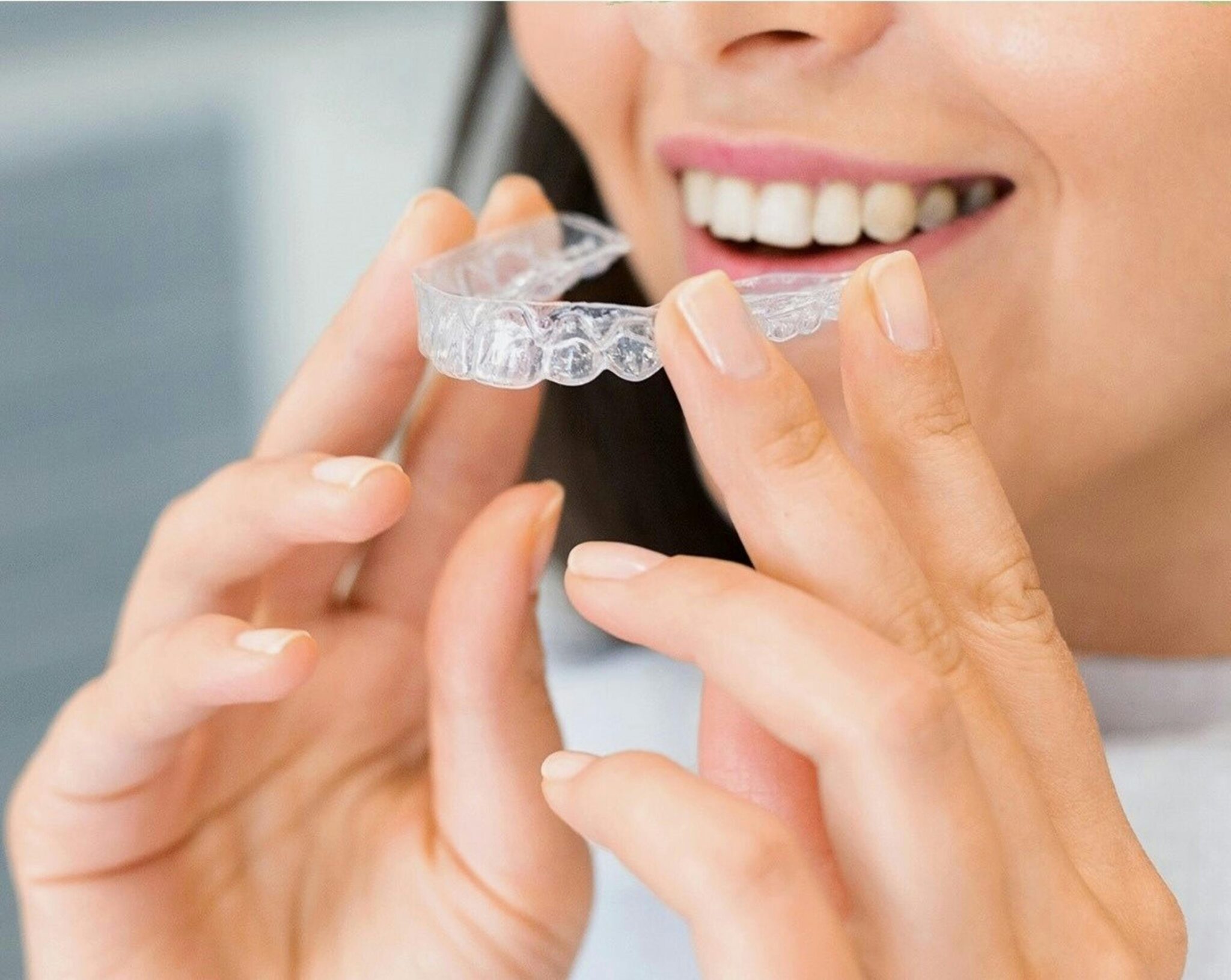
Clear aligners often play a bigger cosmetic role than patients expect. A few months of tooth movement can reduce the amount of porcelain needed later, or eliminate the need for restorations entirely. Moving teeth first can also improve gum symmetry and create more natural proportions.
Questions worth asking before you commit
A patient does not need dental training to ask smart questions. In fact, a good cosmetic dentist should welcome them. During a consultation, these are especially useful:
- What problem are we actually solving, and what are the options?
- How much natural tooth structure will be altered?
- What will the result look like in five to ten years?
- Are there bite, gum, or grinding issues that could shorten the life of the work?
- Can I see photos of similar cases you have completed?
Those five questions often reveal whether the treatment plan is thoughtful or rushed. If the answers stay vague, or every path somehow leads to the most expensive option, it is worth slowing down.
Whitening is simple, but not always simple enough
Whitening deserves its own discussion because expectations are often unrealistic. It can brighten natural teeth very effectively, but it does not whiten crowns, veneers, or tooth-colored fillings. That matters more than many people realize. A patient may whiten the front teeth and then discover an older crown on one incisor suddenly looks darker by Cosmetic Dentistry Bakersfield CA comparison.
Sensitivity is another issue. Some people tolerate whitening products without trouble. Others feel sharp zingers or lingering cold sensitivity after only a short application. The solution is often not to quit entirely, but to adjust the protocol. Shorter wear times, lower concentrations, desensitizing gels, and slower pacing usually help.
There is also the shade question. Extremely bright teeth can look flat and artificial, especially in strong Central Valley sunlight. Natural enamel has depth, translucency, and variation. A skilled cosmetic plan respects that. The goal is freshness, not chalkiness.
Veneers and bonding, where art and restraint meet
The most attractive veneers often go unnoticed because they preserve individuality. A little asymmetry can be normal. Slight translucency at the edges can make teeth look alive rather than manufactured. Shape matters as much as color. Square teeth can read stronger and more youthful on some faces, while softer contours may better suit others. Gender, facial width, lip mobility, and age all influence what looks balanced.
Bonding can produce beautiful work too, especially for patients who need selective refinement rather than a full smile overhaul. I have seen cases where a few millimeters of carefully layered composite on worn front edges changed a smile more convincingly than eight veneers would have. It is technique-sensitive, though. Bonding done in a hurry often looks opaque and flat.
For either option, provisional planning is helpful. Some dentists use wax-ups or digital smile previews, while others create mockups directly in the mouth. The preview is not a guarantee, but it helps the patient understand shape and length before permanent work begins. That step can prevent one of the most common problems in cosmetic dentistry, a technically sound result that simply does not feel right to the patient.
If your bite is off, cosmetic work may not last
This is one of the least glamorous parts of cosmetic treatment, but it may be the most important. Teeth do not exist as separate tiles. They meet, slide, and absorb force thousands of times a day. If those forces are concentrated on a new veneer edge or a bonded corner, even excellent work can chip or debond.
Bruxism, whether from stress, sleep patterns, or habit, is especially relevant. Bakersfield patients who work long shifts, rotate schedules, or deal with high daily stress often show wear patterns long before they realize they grind. Flattened edges, tiny craze lines, jaw fatigue, and notching near the gumline are all clues.
That does not mean cosmetic treatment is off the table. It means protection matters. A night guard after veneers or bonding is often not optional. It is part of the plan, the same way proper maintenance is part of owning a high-end appliance or vehicle. Patients who embrace that usually get better long-term value from their dental investment.
Timing, cost, and how long treatment really takes
People often assume cosmetic dentistry happens in one or two visits. Sometimes it does. Whitening can be quick. Bonding on one tooth may be completed in a single appointment. But comprehensive cosmetic work usually unfolds in phases.
The timeline depends on what has to happen first. If there is gum treatment, decay control, replacement of failing restorations, or aligner therapy, the cosmetic phase may come months later. That can frustrate patients who are eager for visible change, but it is usually the difference between short-lived improvement and durable results.
Cost follows the same logic. A quote without context tells only part of the story. Two veneer cases with the same number of teeth may differ significantly in cost because one requires temporaries, bite adjustment, lab customization, and follow-up refinement while the other is straightforward. Materials, lab quality, and clinician experience all influence pricing.
It is also worth remembering that cheap cosmetic dentistry can become expensive dentistry. Replacing poorly planned veneers, treating inflamed gums around over-contoured crowns, or redoing bonding that repeatedly chips often costs more than doing the case properly the first time.
What to expect on the day treatment begins
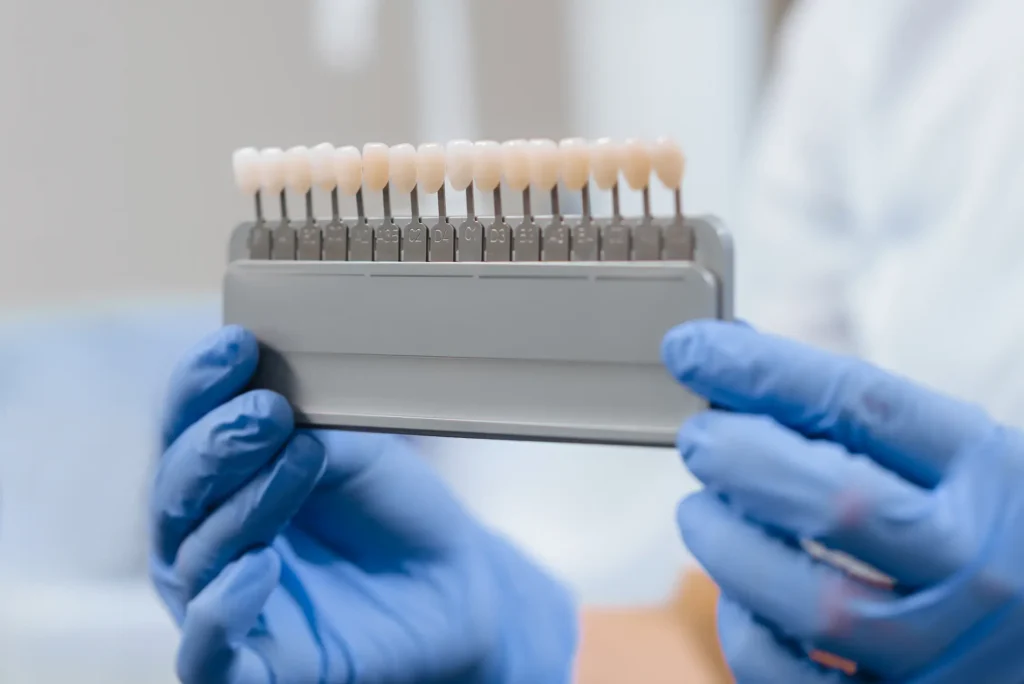
Once a plan is set, many patients are surprised by how methodical the appointment feels. Cosmetic procedures are not rushed if they are done well. Shade selection may happen before the teeth dehydrate, because dry teeth can appear lighter than they truly are. Temporary mockups may be used to confirm length and contour. Isolation, retraction, and meticulous polishing take time.
For veneer cases, preparation may be minimal or more involved depending on the starting position of the teeth and the thickness required for proper color and form. Impressions or digital scans capture the details. Temporary restorations are often placed while the final porcelain is being made. Those temporaries are not just placeholders. They give the patient a chance to test speech, contour, and smile feel in daily life.
On delivery day, the final restorations are tried in before they are bonded. This is where small adjustments matter. A millimeter of edge length can change speech. A slightly fuller contour near the gum can affect flossing and comfort. Good cosmetic dentists do not treat these details as fussy. They treat them as the work.
The emotional side of smile changes
Cosmetic dentistry can be unexpectedly emotional. Some patients cry when they see the result, not because the teeth are perfect, but because they feel like themselves again. Others need time to adjust, even if the work is excellent. A new smile, especially after years of hiding one, can feel unfamiliar at first.
This is another reason previews and honest communication help. If a patient expects celebrity-level brightness and receives a natural, age-appropriate result, they may initially feel underwhelmed despite getting excellent dentistry. The reverse can happen too. Someone asks for subtle improvement and then feels uneasy if the change is too dramatic. Technical success is not the same as emotional fit.
Recovery and the first few weeks
Most cosmetic procedures involve little downtime, but the adjustment period varies. Whitening may cause temporary sensitivity. Bonding can feel slightly different on the tongue until the patient adapts. Veneer or crown cases may bring minor soreness at the gums and a brief speech adjustment, especially with changes to front tooth length.
The first couple of weeks are about observation. The patient notices how the teeth feel when biting into a sandwich, pronouncing certain sounds, or smiling at full width. Dentists learn a great deal from these reports. Sometimes a tiny contour adjustment or polishing refinement turns a good result into a seamless one.
Aftercare is straightforward, but consistency matters more than patients expect:
- Brush gently and thoroughly with a non-abrasive toothpaste.
- Floss daily, especially around any new porcelain margins.
- Wear a night guard if grinding or clenching is part of your history.
- Limit heavy staining foods and drinks for the first days after whitening or bonding.
- Keep recall visits, because small issues are easiest to correct early.
That last point is underrated. Cosmetic work ages, just like natural teeth do. Periodic maintenance, polishing, bite checks, and replacement planning are part of preserving the appearance over time.
How long results typically last
Longevity depends on the procedure, the patient’s habits, and the quality of the starting diagnosis. Whitening usually needs periodic refreshers. Bonding may last several years, but touch-ups are common, especially on biting edges. Porcelain veneers and crowns can serve well for a decade or longer in favorable conditions, though no restoration lasts forever.
The biggest threats are usually not mysterious. They are grinding, poor home care, gum recession, recurrent decay at margins, trauma, and neglect of follow-up care. The patients who do best tend to treat cosmetic dentistry as part of ongoing oral health, not as a one-time beauty purchase.
Choosing the right dentist in Bakersfield
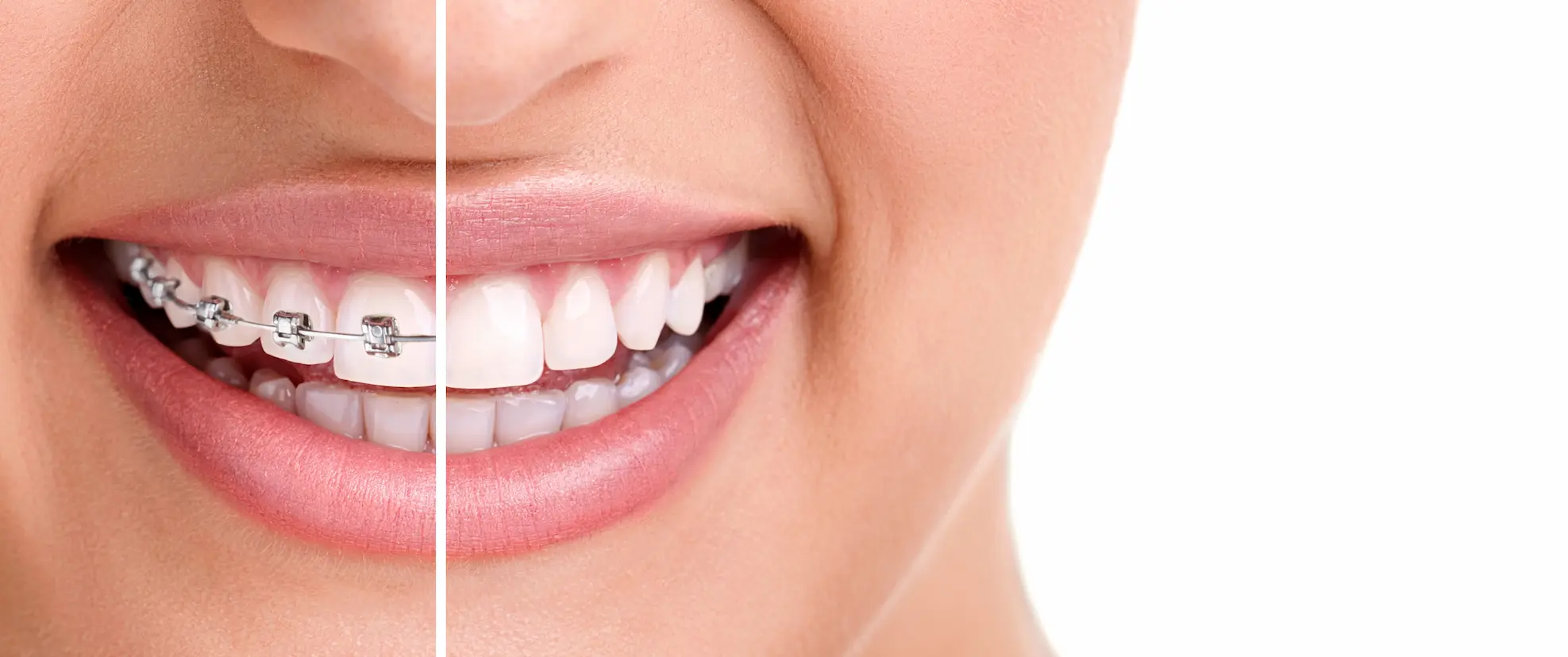
When evaluating providers for Cosmetic Dentistry Bakersfield CA, before-and-after photos help, but they are only one piece of the picture. Look at whether the results resemble real people rather than identical template smiles. Ask how the practice handles planning, temporaries, and bite evaluation. Notice whether the team talks about gum health, function, and maintenance, or only about appearance.
Good cosmetic dentistry has a calm confidence to it. The dentist explains trade-offs clearly. Conservative options are discussed. Limitations are acknowledged. There is no pressure to commit before you understand the plan. That atmosphere usually reflects the quality of the work itself.
A well-done cosmetic case should look polished on day one and still make sense years later. It should fit the patient’s face, habits, and long-term dental health. That is the real journey, from consultation to results, not just brighter teeth, but a smile built with intention.
Toothworks of Bakersfield, Dentist and Orthodontist
Address: 1030 H St #1, Bakersfield, CA 93304
Phone number: +16613239421
FAQ About Cosmetic Dentistry Bakersfield CA
What is considered cosmetic dentistry?
Cosmetic dentistry includes any dental treatment focused primarily on improving the appearance of your teeth, gums, or bite rather than treating a disease or restoring basic function.
How much does cosmetic dentistry usually cost?
The cost of cosmetic dentistry typically ranges from a few hundred dollars for minor touch-ups to over $20,000 for a comprehensive smile makeover, depending entirely on the specific procedure, materials used, and how many teeth are treated. Because most cosmetic treatments are elective, they are usually paid out of pocket without insurance coverage.
Is there a difference between a regular dentist and a cosmetic dentist?
Yes, a regular dentist focuses on your overall oral health and preventing disease, while a cosmetic dentist focuses on improving the look of your smile.