Cosmetic Dentistry Bakersfield CA for Image and Self-Esteem
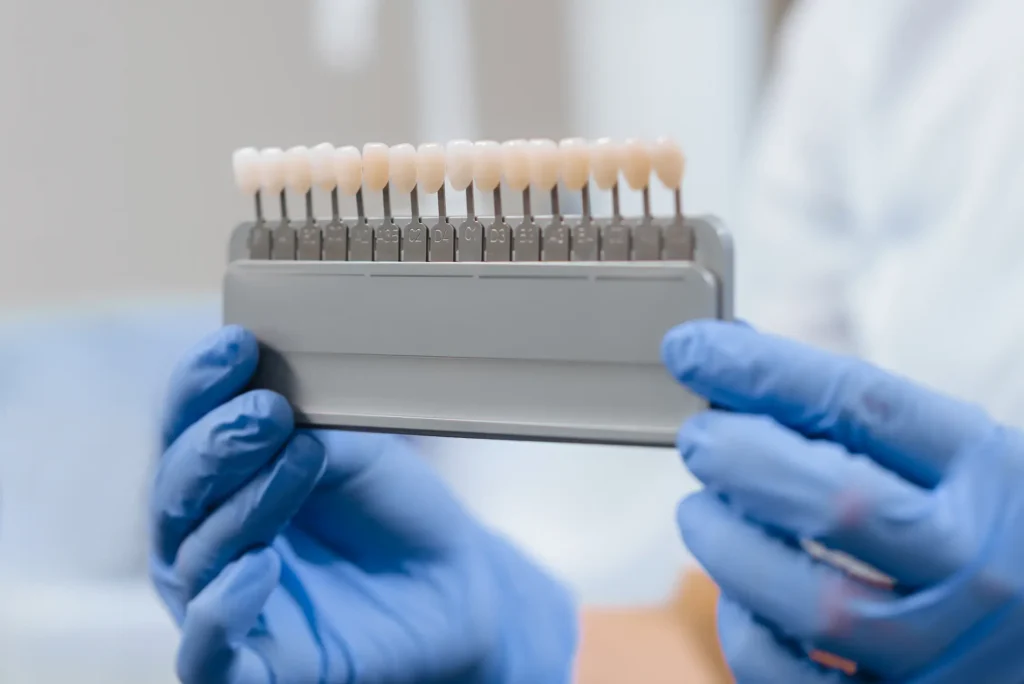

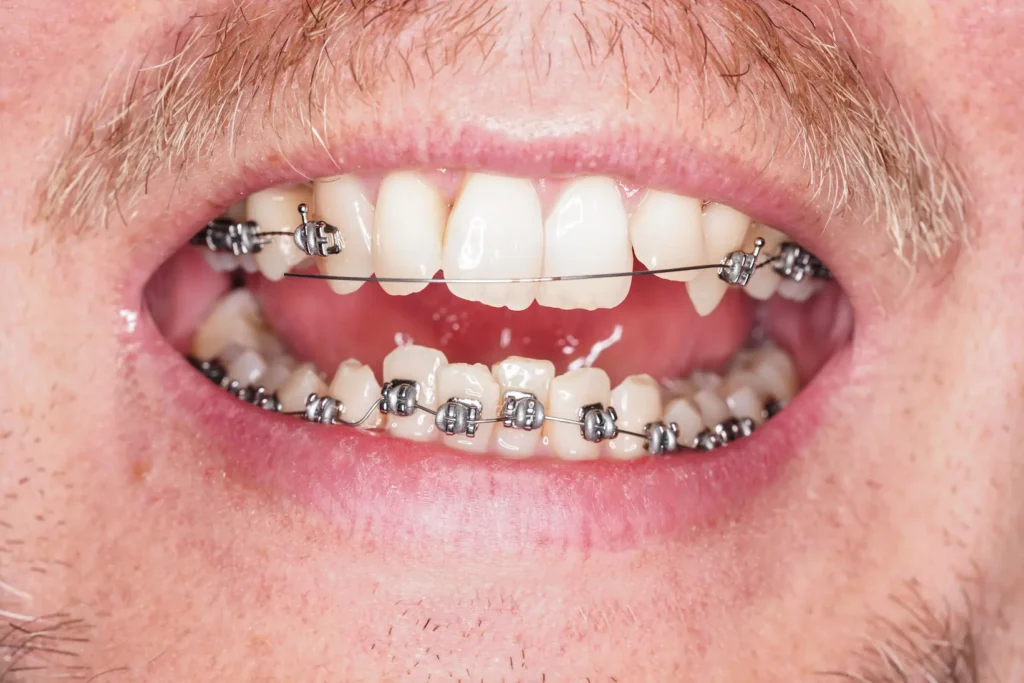
A smile sits at the center of almost every first impression. People notice it in conversation, in family photos, in business meetings, and in the split second before someone decides whether you seem confident, approachable, tired, or guarded. That may not feel fair, but it is real. In practice, cosmetic dentistry often has less to do with vanity than people assume. It has a great deal to do with self-perception, comfort, and the ability to move through daily life without thinking about how to hide your teeth.
In Bakersfield, that concern comes up often for practical reasons. The city has a broad mix of working professionals, students, retirees, service workers, and public-facing business owners. Some spend their days meeting clients. Others work outdoors in harsh sun and dry air, which can make lips and teeth more visually prominent in photos. Many people want to look polished but not artificial. They are not asking for a celebrity smile. They want their teeth to look healthy, believable, and in proportion with their face.
That is where thoughtful cosmetic dentistry matters. Good work does not announce itself from across the room. It supports the rest of the face. It respects age, skin tone, lip shape, bite function, and budget. Most of all, it addresses the emotional weight that comes with feeling self-conscious every time you laugh, speak, or see yourself on a screen.
The link between appearance and confidence is stronger than most people admit
People rarely say, "My teeth are affecting my self-esteem," at least not at first. They usually say something more specific. They mention that they never smile in pictures. They cover their mouth when they laugh. They avoid video calls unless necessary. They have become skilled at smiling with closed lips. Sometimes they tilt their head in a certain way because one front tooth appears darker than the other. Sometimes they are successful, articulate, and socially active, yet one chipped incisor still dominates how they see themselves.
That gap between how others see you and how you see yourself can become exhausting. It builds over years. A small stain from old dental trauma, minor crowding, worn enamel, or a visible metal filling can become a recurring mental distraction. Every social interaction carries a little extra tension. Over time, people may start speaking less freely, smiling less broadly, and withdrawing in subtle ways that have nothing to do with their actual personality.
When cosmetic treatment is handled well, the shift is often immediate, though not always dramatic in the obvious sense. Patients do not always leave saying they look like a different person. More often, they say they finally look like themselves again. That distinction matters. The best outcomes restore ease. They do not replace identity.
What cosmetic dentistry really includes
The phrase "Cosmetic Dentistry Bakersfield CA" can sound broad because it is broad. Cosmetic care is not one procedure. It is a group of treatments used to improve tooth color, shape, symmetry, spacing, and overall balance. Sometimes the changes are minimal and targeted. A single front tooth may need bonding after a sports injury. In other cases, a patient may want a complete smile redesign because years of wear, grinding, or older dental work have changed how their teeth look.
Common cosmetic options include the following:
- professional whitening for generalized staining
- composite bonding for chips, gaps, and contour changes
- porcelain veneers for shape, color, and symmetry concerns
- clear aligner treatment for mild to moderate alignment issues
- crowns or implant restorations when aesthetics and structure both need attention
Each of these has a different purpose, lifespan, and cost profile. They also carry different biological trade-offs. Whitening can be conservative and effective, but it will not fix uneven tooth edges or rotation. Bonding can beautifully repair a defect in one visit, but it may stain or chip sooner than porcelain. Veneers can produce transformative results, though they require careful planning and are not the right answer for every patient. Clear aligners can improve appearance and bite together, but they demand compliance and patience.
A skilled cosmetic dentist does not start with the treatment they prefer. They start with diagnosis. That means looking closely at enamel quality, gum position, bite forces, existing restorations, facial proportions, and the reason the patient is unhappy in the first place. Sometimes the issue a person thinks is color is actually translucency. Sometimes the "crooked tooth" that bothers them is less important than gum asymmetry or uneven incisal wear.
Bakersfield patients often want natural improvement, not a showroom smile
There is a persistent myth that cosmetic dentistry leads to bright, oversized, uniform teeth that look artificial. That happens when planning is rushed or one-size-fits-all aesthetics take over. In real practice, many patients in Bakersfield want the opposite. They want subtle enhancement. They want friends to say, "You look great," not, "What happened to your teeth?"
Natural-looking cosmetic work depends on restraint and observation. Real teeth have variation. They reflect light differently at the edges than they do near the gums. They are not flat white rectangles. They have surface texture, translucency, and shape that fit the face. Age matters too. A 22-year-old and Cosmetic Dentistry Bakersfield CA a 58-year-old should not necessarily receive the same tooth morphology. The goal is not to make every smile look young in a generic sense. The goal is harmony.
That is especially important in communities where patients tend to keep restorations for years and want them to blend across changing life stages. Someone may whiten in their thirties, add bonding in their forties, and replace an old crown in their fifties. If each step is done with a long-term aesthetic plan in mind, the smile remains coherent. If treatment is piecemeal without vision, the result can become patchy over time.
Image is not superficial when your work depends on trust
People in public-facing roles understand this quickly. Real estate agents, medical professionals, attorneys, salespeople, managers, teachers, and business owners often live on camera or in constant face-to-face interaction. Their smile does not just affect selfies. It affects how easily they connect. A guarded smile can read as discomfort. A person who is preoccupied with hiding stained or broken teeth may come across as less relaxed, even when they are highly capable.
That does not mean cosmetic dentistry is a business expense in every case, but for some people it genuinely supports professional presence. One patient may want whitening and edge refinement before launching a consulting practice. Another may address old bonding before wedding photos and client video shoots. A third may finally replace a darkened front crown after years of feeling that people looked at the tooth instead of listening to her.
What is striking is how often improved self-esteem shows up in behavior rather than words. People speak more directly. They stop turning away while laughing. They volunteer for photos instead of disappearing behind the camera. They look less self-conscious during routine conversation. None of that is trivial.
The emotional side of smile changes deserves honesty
Cosmetic treatment can be powerful, but it is not magic. It can elevate confidence, yet it cannot resolve every deeper insecurity. Ethical dentists know this and have candid conversations when expectations drift beyond what dentistry can reasonably deliver.
For example, someone may believe a new smile will automatically repair a struggling social life or transform every professional interaction. More often, cosmetic dentistry removes a barrier. It gives the person one less reason to hold back. That can be meaningful, even life-changing, but it works best when the patient sees treatment as support, not rescue.
The emotional piece also explains why previewing outcomes matters. Mock-ups, digital simulations, or temporary restorations can help patients react to shape and size before final work is bonded or cemented. This is not just a technical step. It gives the patient a voice. One person may want slightly softer edges. Another may realize that very white teeth feel wrong for their face. These judgments are personal, and they are easier to refine before treatment is finalized.
Why the right treatment plan is often more conservative than expected
A surprising number of smile improvements do not require a full set of veneers. That is one of the most useful truths patients can learn early. If tooth structure is healthy, conservative options may achieve the result with less cost and less alteration of natural enamel.
A small gap between front teeth may be corrected with short-term orthodontics or carefully shaped bonding. Stains from coffee, tea, or tobacco may lift well with professional whitening if the enamel is intact. One worn edge may need only selective bonding and a night guard if grinding is the underlying problem. In many cases, a mixed approach produces the best value and the most believable result.
The opposite is also true. Sometimes patients want the quickest cosmetic fix when the real issue is structural. If a tooth is heavily restored, cracked, discolored from internal trauma, or positioned poorly in the bite, a minimal patch may fail or look mismatched. In that setting, a crown or veneer may actually be the more stable and aesthetic option.
Experience matters in making that call. Over-treating a smile is not sophisticated. Under-treating it can be equally frustrating if the patient spends money on something that will never fully address the problem.
Whitening is popular for a reason, but it has limits
Whitening remains one of the most requested cosmetic services because it is relatively conservative and can change the whole smile quickly. For many adults, especially those with generalized yellowing from age, coffee, red wine, tea, or smoking history, whitening is the first sensible step. It can brighten the smile enough that other concerns become less noticeable.
Still, whitening works best on natural enamel. It does not change the shade of crowns, veneers, or tooth-colored fillings. That can surprise patients who have an older front filling or crown that suddenly stands out after the natural teeth lighten. Sensitivity is another real consideration. Some people tolerate bleaching agents easily. Others need shorter wear times, lower concentrations, or desensitizing protocols before and during treatment.
Whitening also cannot erase every kind of discoloration. Intrinsic darkening after trauma, certain medication-related staining, and patchy fluorosis may improve only partially. In those cases, the dentist should say so plainly. False reassurance leads to disappointment and often pushes patients toward repeated bleaching that adds sensitivity without solving the real issue.
Veneers can be excellent, but they are a commitment
Porcelain veneers hold a strong place in cosmetic dentistry because they can change color, contour, width, and perceived alignment in a way few other treatments can match. When they are designed well and placed for the right reasons, they can look elegant and natural for many years.
But veneers are not a casual beauty treatment. They require planning, records, shade analysis, and careful communication about goals. Some involve minimal preparation, others require more reduction depending on the starting position and desired outcome. Gum health must be stable. Bite patterns matter, especially in patients who clench or grind. If someone has unrealistic expectations, active gum disease, poor home care, or untreated bite problems, veneers may be a poor choice until those issues are addressed.
This is one of the clearest areas where self-esteem and judgment intersect. A patient may feel desperate to fix a smile quickly, but a rushed veneer case can create years of maintenance. The better path is not always the fastest path.
Bonding is underrated when used with skill
Composite bonding often gets overshadowed by porcelain, yet in the right hands it is one of the most useful tools in cosmetic care. It allows for direct reshaping of a tooth in a single visit, often without anesthesia and with little to no removal of healthy structure. It can close small spaces, soften worn edges, repair chips, and improve symmetry in a conservative way.
Its limitations are real. Composite is more porous than porcelain, so it can pick up stain over time, especially in patients who drink coffee frequently or smoke. It is also not as strong for major edge build-ups in people with heavy bite forces. But for selective improvements, bonding can be one of the best value treatments in the office. It is often ideal for younger patients who want aesthetic change without committing to more aggressive work too soon.
I have seen modest bonding cases create outsized confidence gains. A single peg-shaped lateral incisor corrected to proper width, or two chipped front teeth rebuilt after years of self-conscious smiling, can alter how a person carries themselves within minutes.
Alignment affects appearance more than people realize
Many adults dismiss orthodontic treatment because they assume braces belong to adolescence or because their teeth are "not that crooked." Yet small alignment corrections can make a smile look dramatically cleaner and more even. Mild crowding, rotations, and spacing affect not only the appearance of the teeth but how light reflects across the smile. They also influence where stains collect and how easy the teeth are to clean.
Clear aligners have made this option more accessible for adults who want discretion. Still, aligners are not simply cosmetic trays ordered without examination. Good planning includes root position, bite function, attachments, wear compliance, and retention afterward. A patient who skips retainers may slowly lose the result, which can be emotionally frustrating after the investment of time and money.
In some cases, short-term orthodontics before whitening or veneers allows for more conservative final restorations. That sequence usually takes longer, but it can preserve more natural tooth structure and produce a better long-term outcome.
The financial side deserves straightforward discussion
Cosmetic dentistry is often elective, which means insurance coverage may be limited or absent. That reality shapes decisions in practical ways. It also means treatment planning should be transparent from the beginning. Patients should understand what solves the main concern now, what can wait, and how staged treatment might work.
A sensible consultation often addresses these factors:
- the chief complaint, stated in the patient’s own words
- whether the issue is cosmetic only or also functional
- the least invasive option that can realistically meet the goal
- the expected maintenance, repair cycle, and likely longevity
- how the treatment fits the patient’s budget and timeline
There is no single right budget for aesthetic care. Some people are best served by whitening and a small bonding repair. Others have reached a point where replacing old, mismatched dental work across the front teeth makes more sense than patching one area at a time. The key is honest sequencing. When dentists push comprehensive treatment on every patient, trust erodes. When they ignore aesthetics because they seem nonessential, patients feel dismissed.
Self-esteem improves most when function and beauty are treated together
A smile that looks attractive but feels fragile is hard to enjoy. Patients know that instinctively. If they are afraid to bite into a sandwich, if one veneer keeps chipping, or if the front teeth look even but the bite strains the jaw, confidence tends to erode again. That is why cosmetic work cannot be divorced from function.
The strongest aesthetic cases usually begin with fundamentals. The gums are healthy. Decay is controlled. Old leaking restorations are identified. Grinding habits are discussed. Sometimes a night guard becomes part of the cosmetic plan because it protects the investment and reduces wear. Sometimes replacing one unstable molar crown matters more to the future of the front teeth than the patient initially realizes.
This functional grounding is especially important for adults who have spent years compensating for wear, missing teeth, or uneven bite contacts. They may focus on one visible issue, but the mouth tells a larger story. Addressing that story is what separates cosmetic patchwork from durable improvement.
Choosing a dentist for cosmetic dentistry in Bakersfield
When people search for Cosmetic Dentistry Bakersfield CA, they are usually comparing websites full of before-and-after photos and polished promises. Images matter, but they are only part of the assessment. A smarter approach is to pay attention to how the office communicates. Do they explain options clearly? Do they talk about limitations, maintenance, and trade-offs? Are they willing to preserve healthy tooth structure when possible? Do their results look consistent across different ages and starting conditions, or only in a narrow set of dramatic cases?
A worthwhile cosmetic consultation should feel collaborative, not theatrical. You should leave with a better understanding of your own mouth, not just a sales estimate. If the dentist listens closely to what bothers you, even if it seems minor, that is usually a good sign. Cosmetic concerns are personal. A front tooth that looks "fine" clinically may still affect your confidence every day. Respect for that experience matters.
It also helps when the office can show a range of outcomes, from simple whitening and bonding to more comprehensive veneer or crown cases. Not every patient needs or wants the same level of intervention. Good cosmetic practices are comfortable working across that spectrum.
What patients often notice after treatment
The most meaningful changes after cosmetic dental work are often subtle and behavioral. A person smiles without rehearsing it. They stop editing themselves in photos. They laugh more freely. They do not angle their face away during conversation. Some report that they feel more polished at work. Others simply feel relieved that an old insecurity no longer follows them into every social setting.
That relief has value. It affects how people show up in relationships, interviews, presentations, celebrations, and ordinary daily life. It is not about perfection. Perfect smiles can look rigid anyway. It is about congruence, the feeling that your outward expression finally matches how alive, capable, and warm you feel on the inside.
For many Bakersfield patients, that is the real promise of cosmetic dentistry. Not a dramatic reinvention, but a restoration of ease. A smile that no longer distracts, embarrasses, or undermines. A face that feels familiar again when you catch it in the mirror. And with careful planning, honest expectations, and conservative judgment, that result is often well within reach.
Toothworks of Bakersfield, Dentist and Orthodontist
Address: 1030 H St #1, Bakersfield, CA 93304
Phone number: +16613239421
FAQ About Cosmetic Dentistry Bakersfield CA
What is considered cosmetic dentistry?
Cosmetic dentistry includes any dental treatment focused primarily on improving the appearance of your teeth, gums, or bite rather than treating a disease or restoring basic function.
How much does cosmetic dentistry usually cost?
The cost of cosmetic dentistry typically ranges from a few hundred dollars for minor touch-ups to over $20,000 for a comprehensive smile makeover, depending entirely on the specific procedure, materials used, and how many teeth are treated. Because most cosmetic treatments are elective, they are usually paid out of pocket without insurance coverage.
Is there a difference between a regular dentist and a cosmetic dentist?
Yes, a regular dentist focuses on your overall oral health and preventing disease, while a cosmetic dentist focuses on improving the look of your smile.